

Many bloggers dive into content creation only to realize their profitable blog niche isn’t as profitable as they thought, resulting in content that attracts visitors but doesn’t convert. The result is content that may attract visitors but doesn’t lead to meaningful sales.
Readers arrive on the blog, find information, and leave without exploring further. This lack of engagement and conversion is often because the niche doesn’t naturally support product recommendations or align with solutions that would encourage purchases. Picking a niche that naturally aligns with products is very important.
Profitable Blog Niche
A profitable blog niche is a focused topic area where there’s both strong audience interest and clear opportunities to generate income. It’s not just about writing what you enjoy, but choosing a subject where people actively seek information, products, or solutions—and are willing to spend money on them. A profitable niche naturally aligns with products, services, or affiliate offers that solve real problems or fulfill specific desires.
In practical terms, a profitable blog niche blends passion, market demand, and monetization potential. It attracts a defined audience with specific needs while providing clear revenue streams through product recommendations, courses, memberships, or ads. When done right, it allows bloggers to create valuable content that builds trust and converts readers into loyal customers.
When your niche, audience needs, and products all sync, conversions happen effortlessly. This approach not only increases the blog’s income potential but also enhances reader satisfaction. Finding the right niche allows you to serve readers with solutions they genuinely need and are likely to buy, creating a win-win situation where valuable information leads to trusted recommendations and natural conversions.
Identifying a Profitable Blog Niche That Aligns with Products
Choosing a niche that aligns with product opportunities sets the foundation for a profitable blog. In particular niches, readers expect product recommendations because products are inherent to solving the problems or enhancing the experiences within that niche.
For example, a blog focused on home workouts can naturally recommend fitness equipment, apps, and nutritional products that align with readers’ goals. The trick is to select a niche where solutions often involve products, making your blog’s content more relevant and its recommendations more appealing.
A niche that naturally aligns with products has two essential characteristics: a clear audience need and an accessible range of solutions that can be offered as products or services.
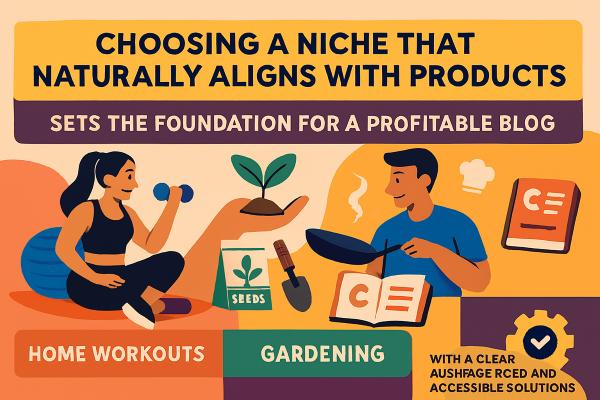
Think of niches like gardening, personal finance, cooking, or technology. These fields inherently involve tools, resources, or knowledge that readers are often willing to invest in.
For instance, a gardening blog can effortlessly recommend seeds, tools, and even gardening courses. Because readers are already interested in these products, the recommendations feel more relevant and appreciated, increasing the chances of conversion without disrupting the reading experience.
To identify a profitable niche, brainstorm areas that align with people’s everyday needs, hobbies, or challenges. Consider niches where readers naturally look for “how-to” information or resources that improve their experience or simplify their lives.
If you’re passionate about a subject, take note of what products or services you find yourself using or searching for. This passion-driven approach can help you create authentic content that resonates with readers and naturally incorporates product mentions. Additionally, examining competitor blogs within a potential niche can reveal how well that niche aligns with products. Blogs that manage to recommend products seamlessly are often in niches with strong natural product alignment.
Researching Reader Pain Points and Common Questions
Understanding your audience’s pain points is essential to creating content that resonates and converts. Pain points are the specific problems, frustrations, or challenges that your readers experience and want solutions for.
By identifying these, you can shape your blog posts around topics that not only attract readers but also lead them toward relevant products or services that address their needs. Blogs that solve real problems gain loyal readers who trust the advice provided, making them more likely to consider any recommendations you make.
To research these pain points, explore forums, social media groups, and platforms like Quora or Reddit, where potential readers openly discuss their challenges. For example, if you’re considering the health and wellness niche, you might find numerous discussions around managing stress, finding time for workouts, or choosing the right dietary supplements.
These are clear pain points that signal a demand for solutions. Solutions that can often include product recommendations. By addressing these issues, you position your blog as a valuable resource, naturally paving the way for product mentions that feel helpful rather than intrusive.
Google’s “People Also Ask” section and other keyword tools can also provide insight into the questions your audience commonly searches for. Knowing these questions enables you to create content that directly addresses their concerns, fostering engagement and trust.
If readers consistently seek answers to “how to manage anxiety” or “best products for frizzy hair,” these questions signal needs that align with possible product recommendations.
By addressing common questions and providing solutions through your blog, you create a cycle where content leads to solutions, and solutions lead to subtle product suggestions.
Surveys and feedback forms are another excellent method for identifying pain points. Engage with your existing audience and ask them about their challenges, what solutions they’ve tried, and where they still need help. This direct approach provides targeted insights into what readers want and need, enabling you to craft posts that address specific issues and incorporate relevant product suggestions. When readers see that your blog answers their personal questions, they’re more inclined to trust any recommendations you offer.
Evaluating Market Demand and Sales Potential in Chosen Niches
Would you like support choosing a niche that feels aligned and profitable?
If you’re tired of trying to figure everything out alone, you do not have to continue doing it by yourself. The Momentum Mentoring Circle is a warm, supportive space where mature entrepreneurs can grow a business that aligns with their purpose—without the pressure or overwhelm. Doors open in two weeks: https://yvonneajones.com/momentum-about/
After identifying a niche and understanding its pain points, evaluating market demand is the next step to ensure that your niche has potential for sustainable income. Market demand reflects how many people are actively searching for information and products in your niche.
High demand indicates an engaged audience ready to interact with your content and consider product suggestions. Low demand, however, may lead to fewer visitors and, ultimately, fewer conversions.
To assess market demand, begin by using keyword research tools like Google Keyword Planner, Ahrefs, or SEMrush. You can also ask an artificial intelligence tool. Look for keywords related to your niche that have significant search volume and moderate competition.
For instance, a niche like “home organization tips” may show a strong search volume for terms like “best storage solutions” or “how to declutter efficiently.” These searches indicate an engaged audience looking for answers and potential products to make their tasks easier.
Demand analysis allows you to see whether readers in your niche are already seeking the types of products or solutions you intend to recommend. Search trends are another excellent indicator of market demand.
Google Trends can help you see whether interest in your niche is growing or waning. Certain niches, like “eco-friendly products” or “remote work tools,” have seen increased interest over time, indicating a growing audience base that’s ready to explore solutions.
High-demand niches with stable or increasing interest—especially when you focus on a profitable blog niche—offer more opportunities for consistent traffic and a higher chance of conversions from product recommendations.

Evaluating the sales potential within a niche goes hand-in-hand with demand research. Sales potential reflects the likelihood that your audience will purchase products related to the niche.
Some niches, like personal finance, beauty, and home improvement, have inherently higher sales potential because readers actively seek products that provide concrete solutions.
A finance blog, for example, can recommend budgeting tools, financial planning courses, or investment apps—all products that people are often willing to purchase because they directly address their financial goals.
Consider whether the niche has multiple products at various price points. A niche with diverse product options allows you to incorporate a range of recommendations, from affordable items to premium solutions. For example, in a niche like photography, you might recommend beginner-friendly equipment as well as advanced tools, appealing to a wider audience. This range increases the chance of conversions across different reader types, making your blog adaptable and accessible to a broader audience.
Building Reader Trust by Addressing Niche-Specific Challenges
Establishing trust with your audience is crucial to converting readers in any niche. When you address niche-specific challenges thoughtfully, readers see you as an expert who understands their struggles.
This perception of authority and empathy encourages readers to rely on your advice, making them more receptive to the products you recommend. For example, suppose your blog focuses on skincare for sensitive skin. In that case, readers are more likely to trust product recommendations when they see that you’re addressing their specific concerns, like redness, irritation, and allergy-friendly solutions.
Demonstrating knowledge in niche-specific issues creates a rapport with readers, as they feel their unique concerns are acknowledged. A blog post on “essential oils for stress relief,” for instance, could explore the different types of oils, how each can help with specific stress symptoms, and why certain options may be more effective than others.
By providing detailed information, you show that you genuinely want to help readers make informed decisions rather than simply pushing products. Consistent, helpful content that speaks to the reader’s needs fosters an environment where product recommendations are trusted. When readers consistently find value in your blog, they’re more inclined to explore products you suggest because they view your recommendations as extensions of the content rather than hard sales tactics. Choosing a profitable blog niche ensures your content naturally attracts and converts, building both trust and revenue potential.

Adapting Content to Reflect Seasonal and Trending Interests in Your Niche
One way to increase engagement and conversions is to adapt your content to reflect seasonal or trending topics within your niche. Certain products and solutions gain popularity during specific times of the year, and aligning your content with these trends can make it more appealing and relevant to readers.
Many new bloggers struggle because they select a niche based on trends or advice from others, not on what they can consistently speak about with passion. It’s a common question—people everywhere are asking: “What niche is best for blogging in 2025?”
But the better question is: What niche can you write about consistently and confidently—without getting bored or burned out? When you’re clear on that, content creation becomes easier, and trust-building becomes more natural.
For example, a travel blog can capitalize on peak vacation seasons by publishing guides to travel essentials, subtly recommending items like luggage, travel insurance, or destination-specific products.
Seasonal content creates an urgency that encourages readers to act. For instance, a gardening blog could publish posts about seasonal planting tips, recommending seeds, tools, or fertilizers that align with the current gardening season.
Readers interested in seasonal topics are often more motivated to purchase products right away, as these items feel immediately relevant to their needs. Beyond seasonal trends, keep an eye on industry-specific developments.
Niches like technology, wellness, and home improvement are continuously evolving, with new products and solutions emerging regularly. Staying informed about these changes and incorporating them into your blog not only keeps your content fresh but also allows you to introduce new products as they become relevant. Adapting to trends keeps your content aligned with readers’ current interests, which can drive more traffic and lead to natural conversions.

Yvonne A Jones
I’m Yvonne A. Jones, Relationship-Building Strategist and Personal Business Coach. I help purpose-driven professionals and small-business owners turn their expertise into thriving online businesses—bringing heart back into business, one authentic connection at a time. Whether you’re launching or leveling up, I’ll show you how real relationships create sustainable growth.